Onboard Exchange
Evolving a P2P crypto-fiat trading platform supporting 13+ currencies across Africa, Asia, and Europe

Context
Millions excluded from global finance. Crypto was the fix. UX was the gap.
Traditional banking locks millions out of global financial infrastructure: no USD account, no cross-border rails, no way to move money at the speed modern work demands. Crypto solves this in theory. The challenge is making it feel as simple and trustworthy as a bank transfer, for users who have every reason to be cautious.
My Role
Evolving the core trading experience.
I owned design across both the customer and merchant experience, end to end. That meant the P2P marketplace, buy and sell flows, order management, and the merchant dashboard. The challenge was making crypto feel safe and legible for users new to it, without dumbing it down for experienced traders.
P2P Marketplace
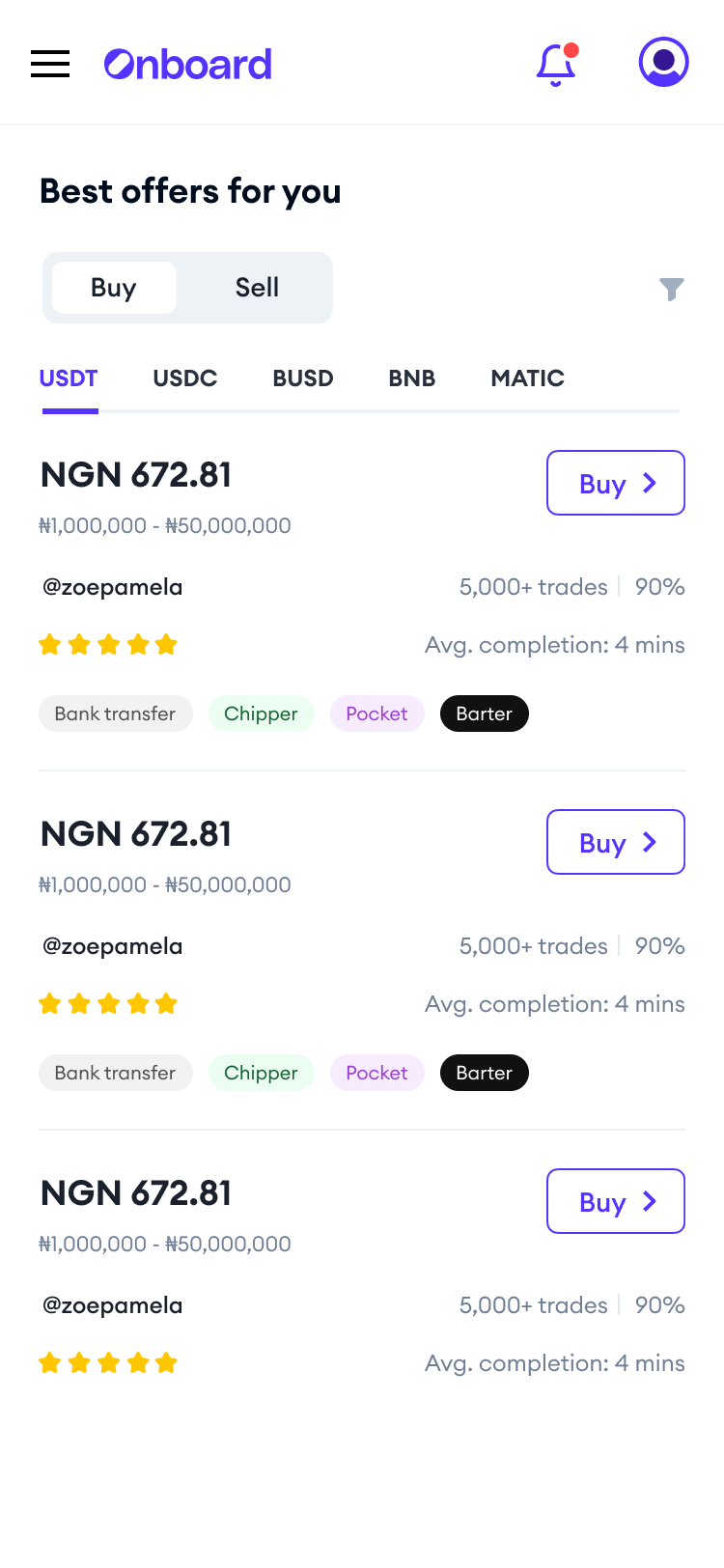
Trust signals before a single tap.
Before a user commits to a trade, they need to assess a stranger. The marketplace surfaces what matters: rate, trade count, completion rate, average time, and accepted payment methods — so users can make a confident choice without second-guessing themselves.
Buying
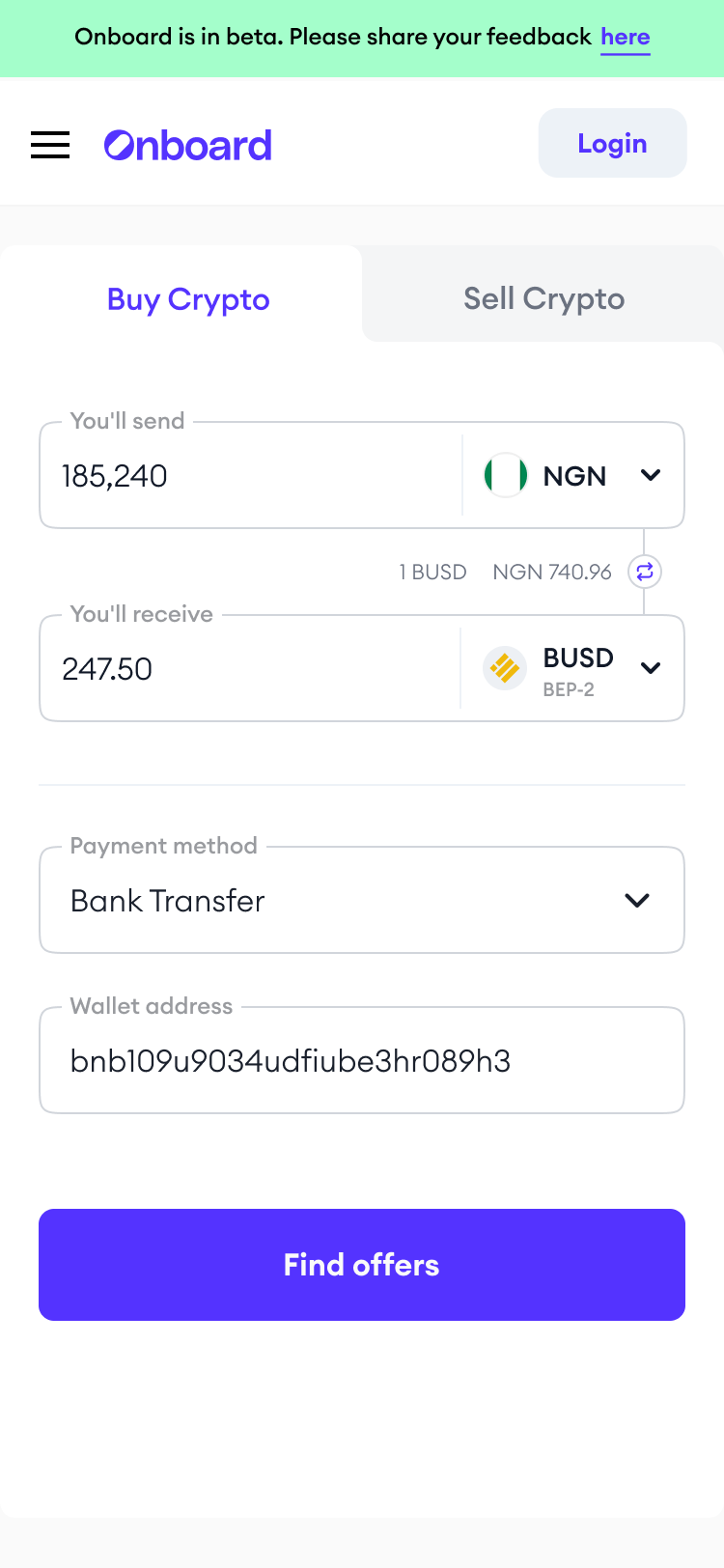
From offer to crypto in your wallet.
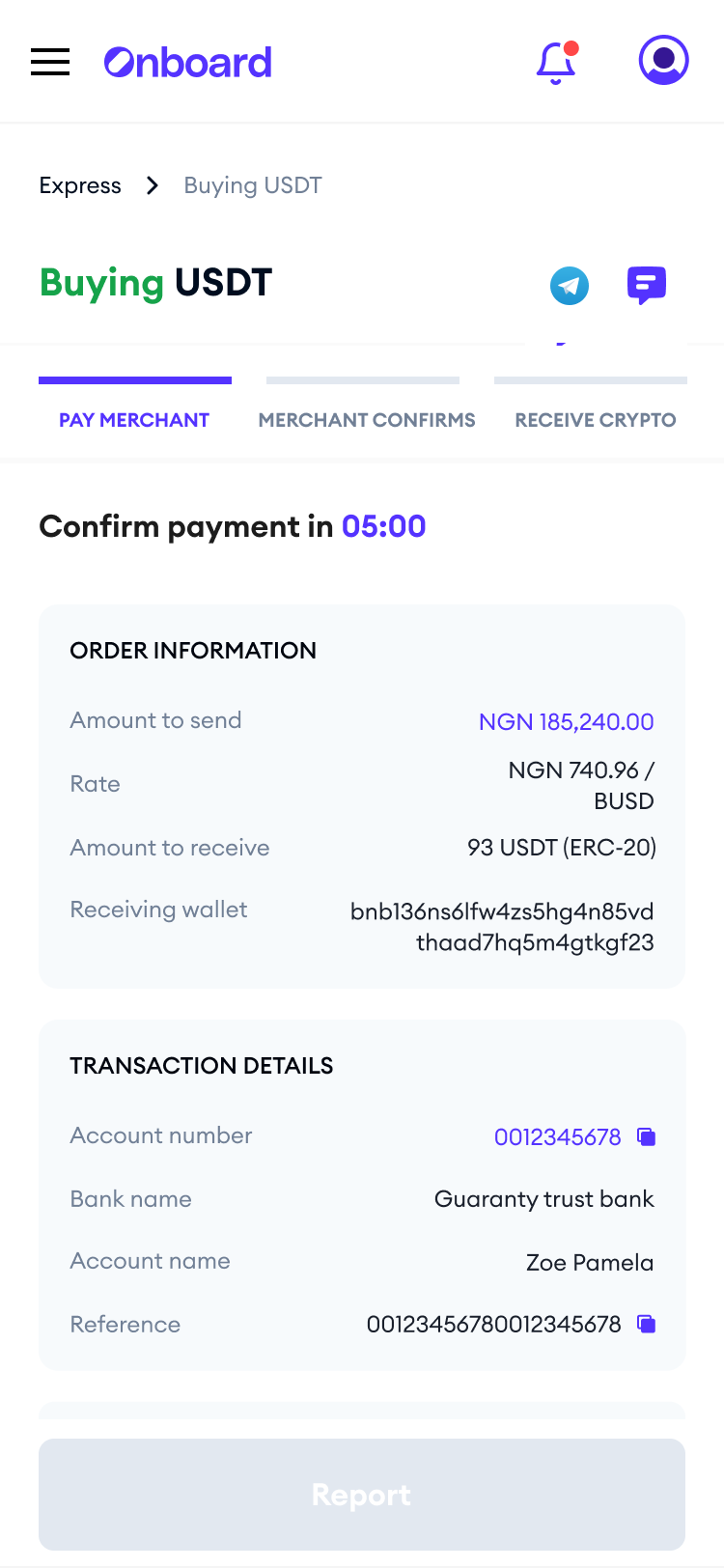
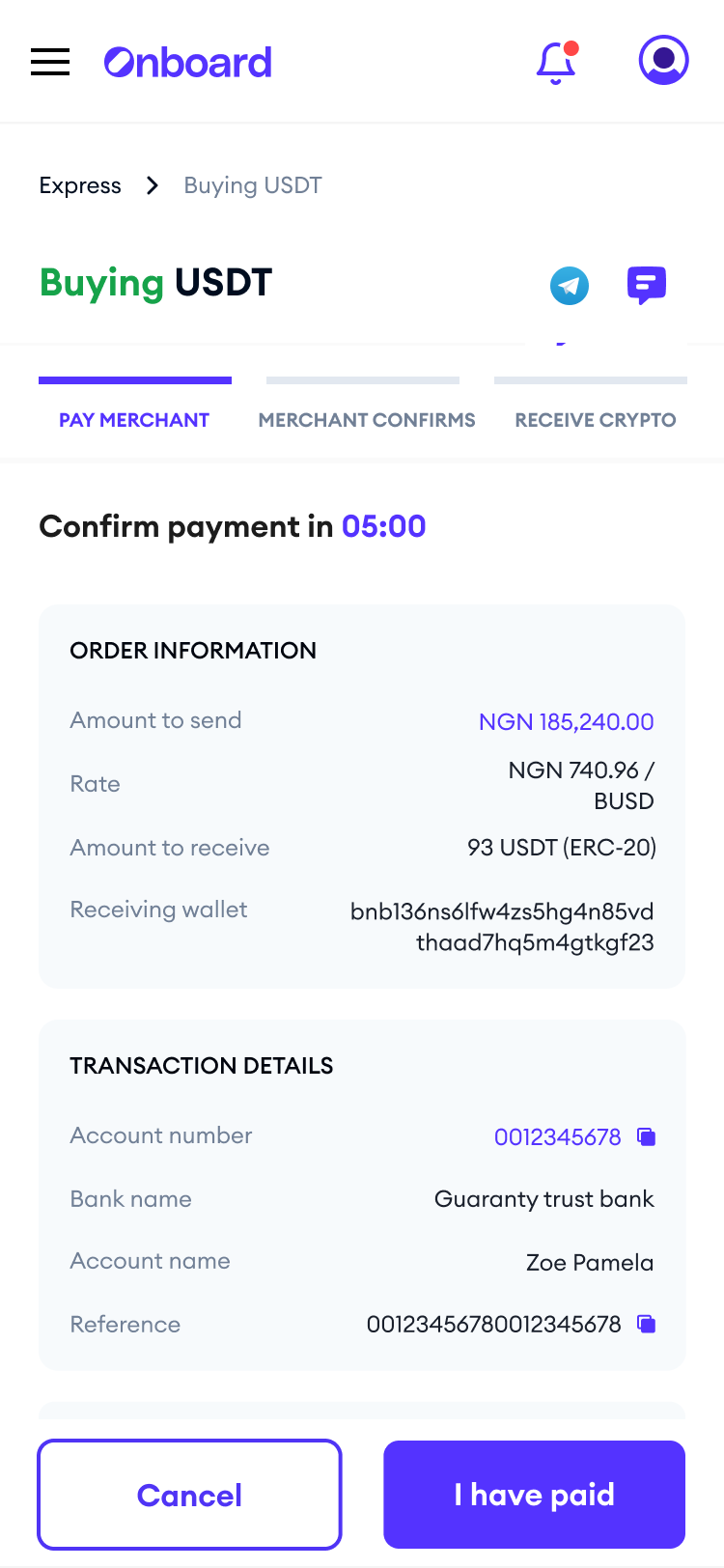
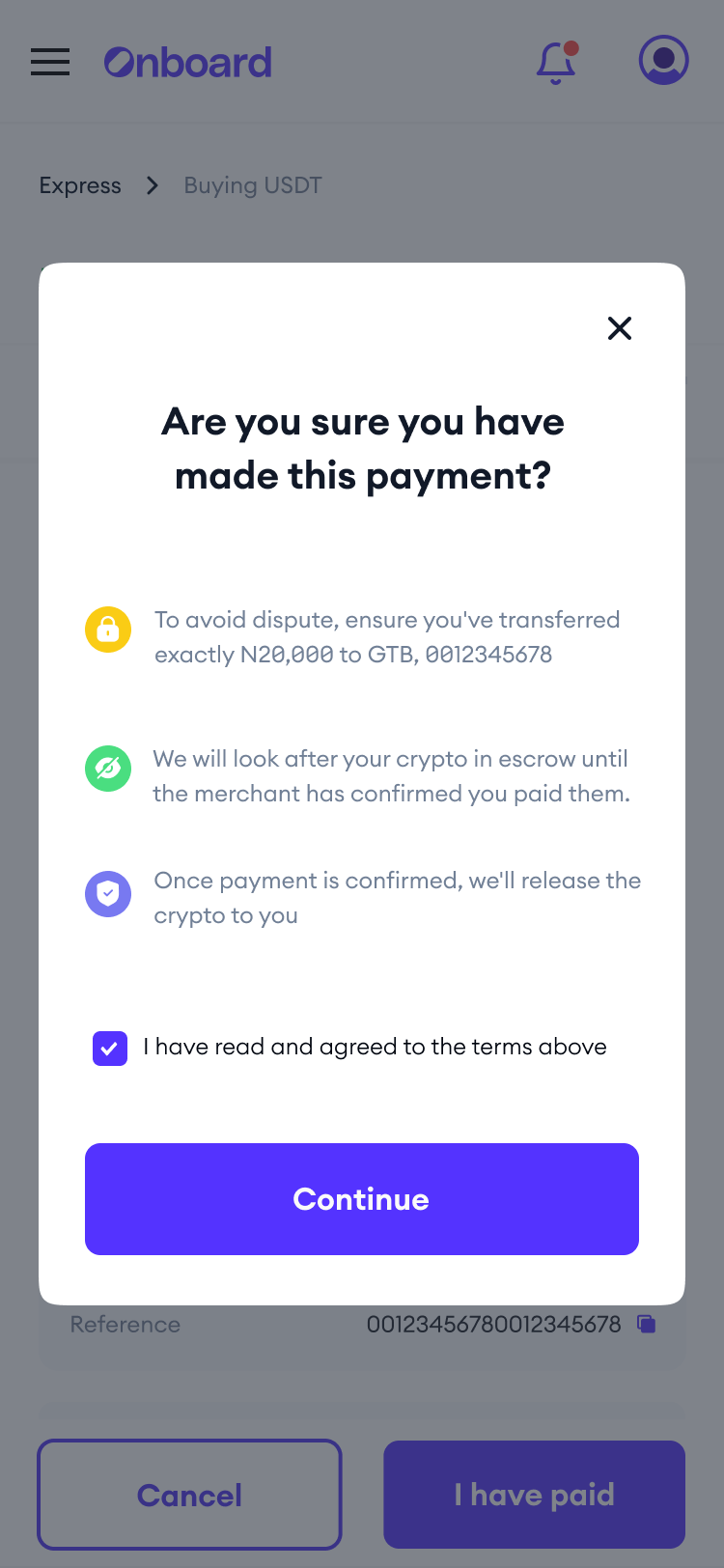
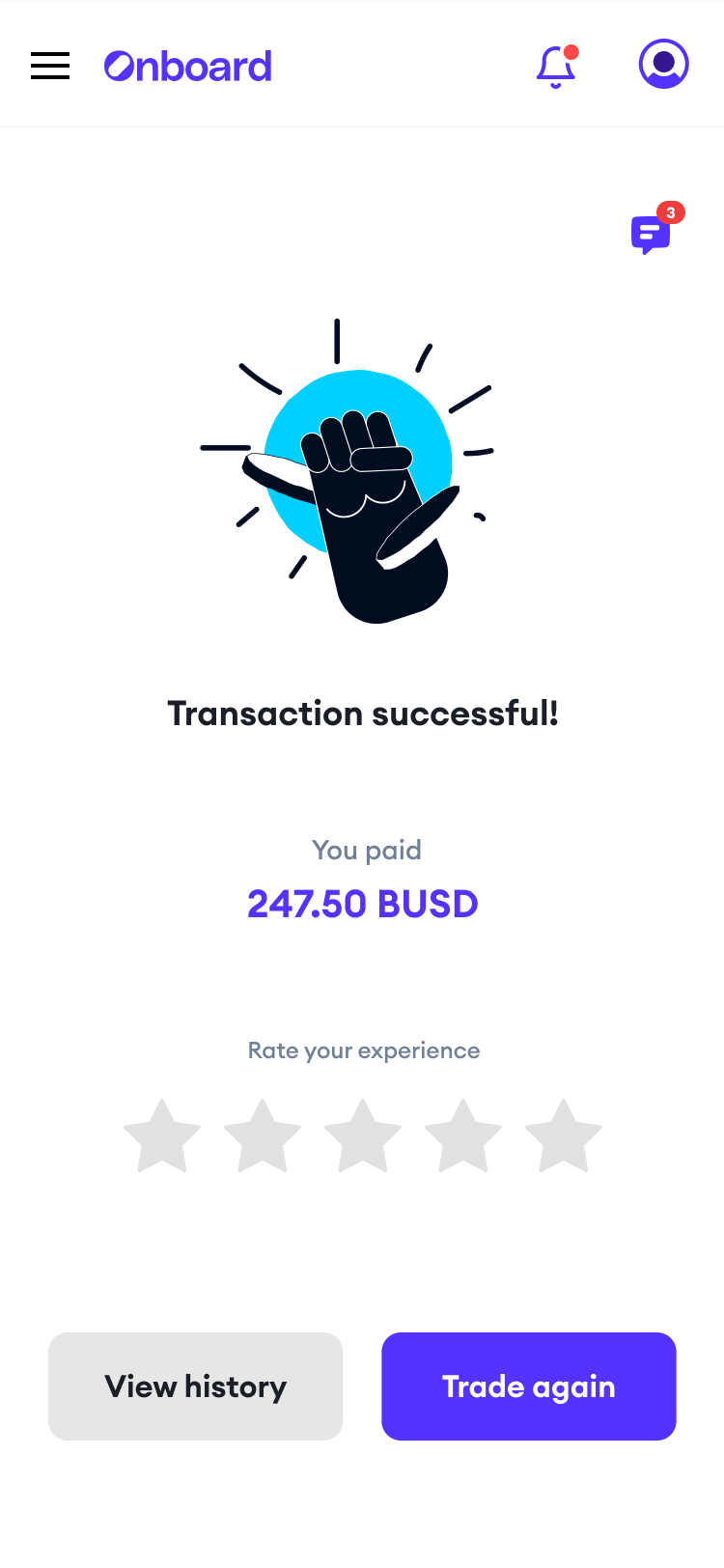
The buy flow needed to feel like a bank transfer, not a blockchain transaction. Clear order information, a countdown timer, and an escrow confirmation modal that explains exactly what happens next, so users stay confident at every step.
Selling
The same trust logic, mirrored for the seller.
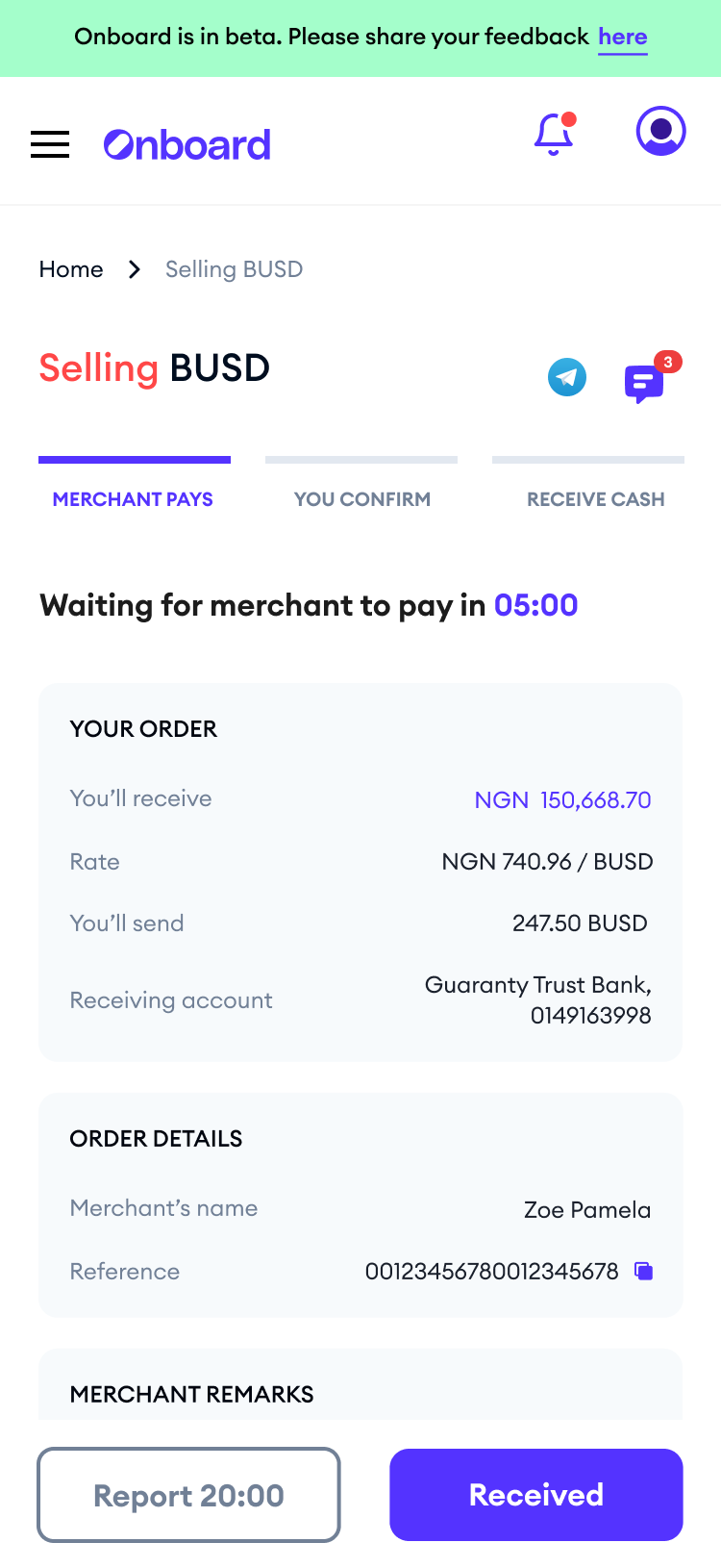
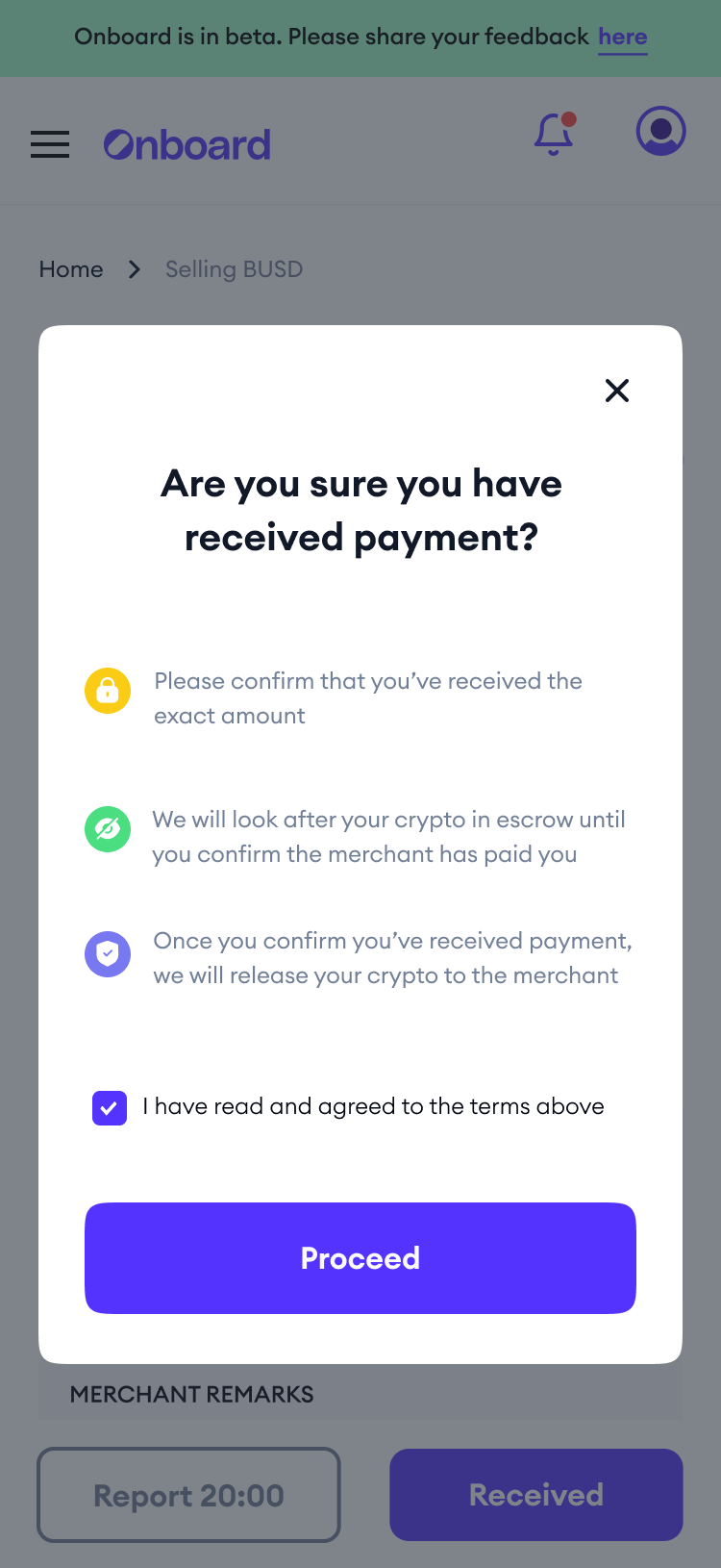
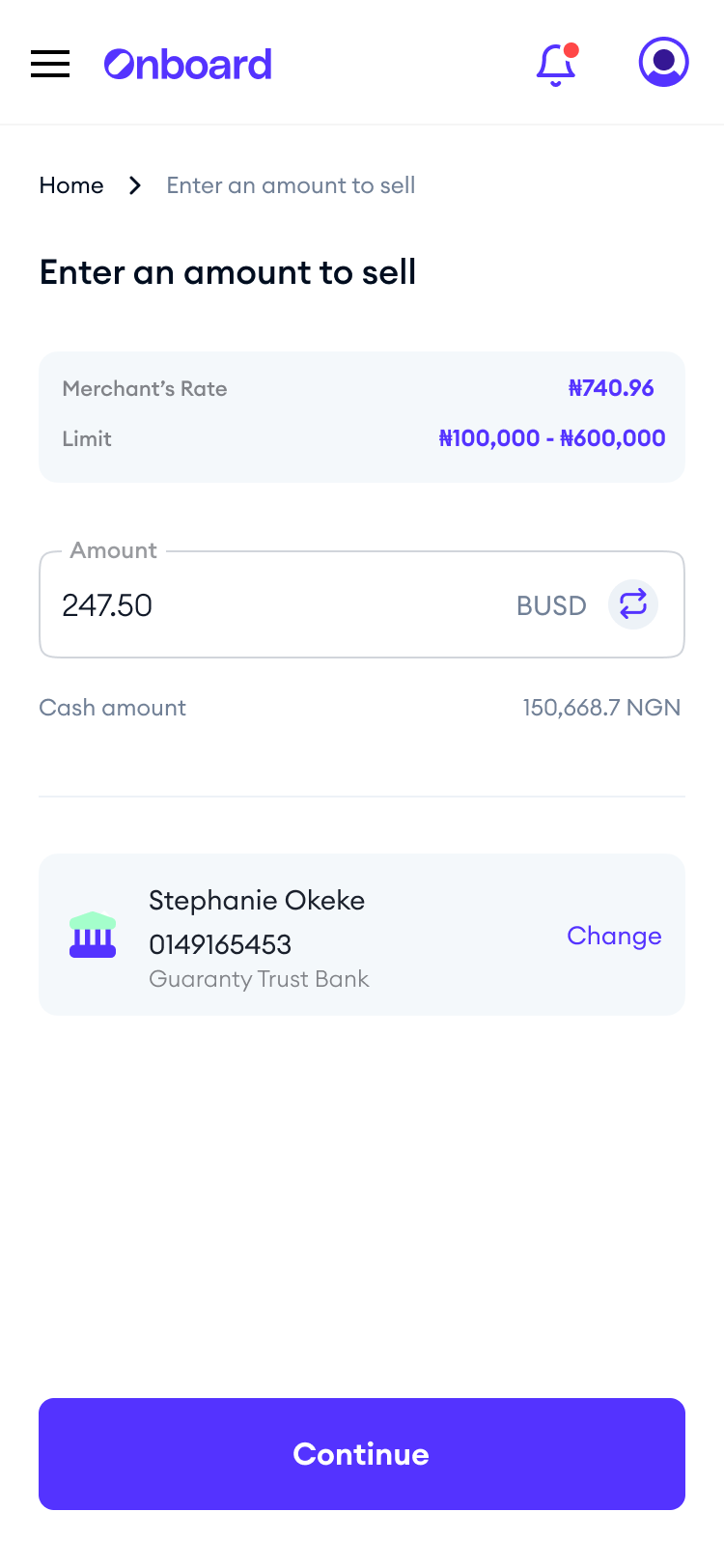
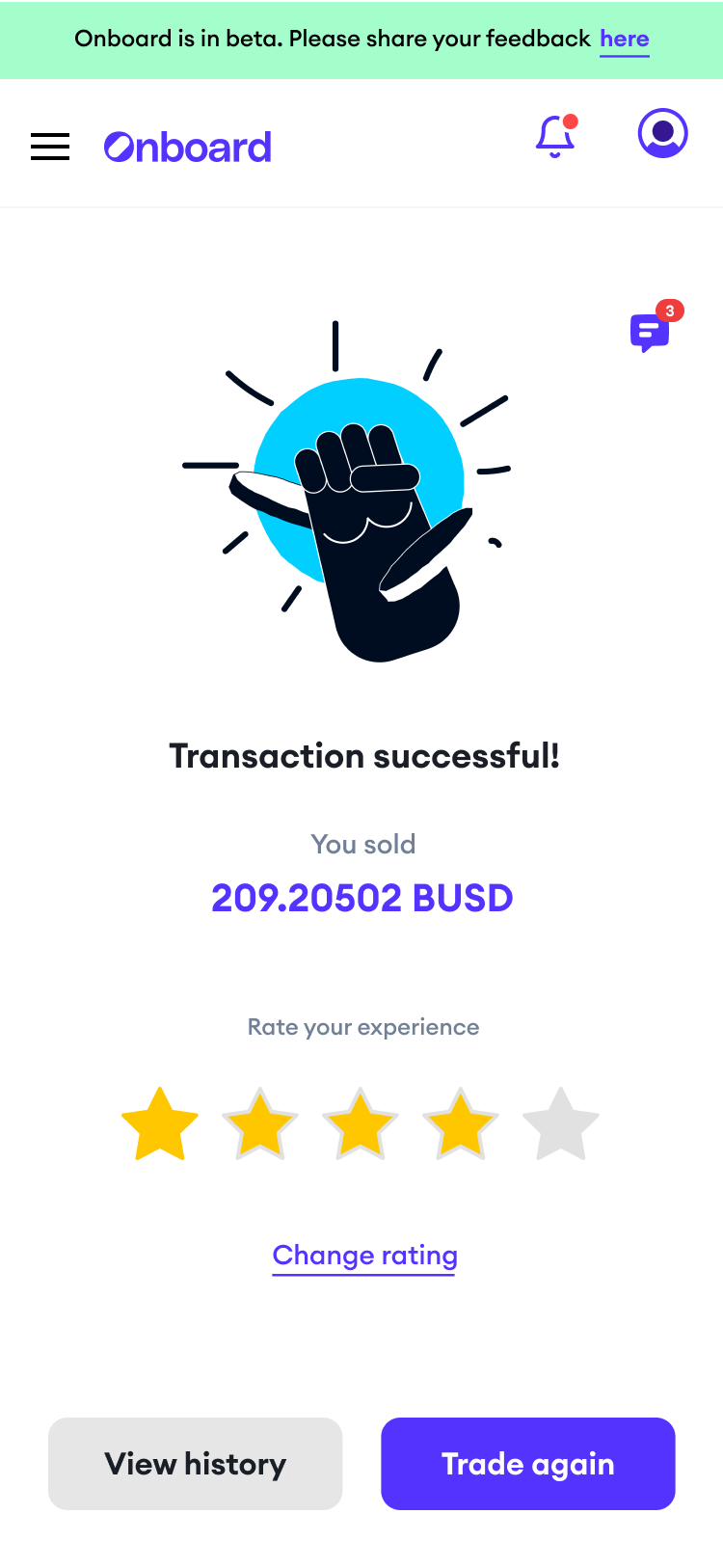
The sell flow is the buyer experience in reverse, and the design reflects that deliberately. The seller gets the same escrow protection, the same confirmation step, and the same transparency about what happens to their crypto until payment is confirmed. Both sides of every trade are protected equally.
Order Lifecycle
Designed for every outcome, not just the happy path.
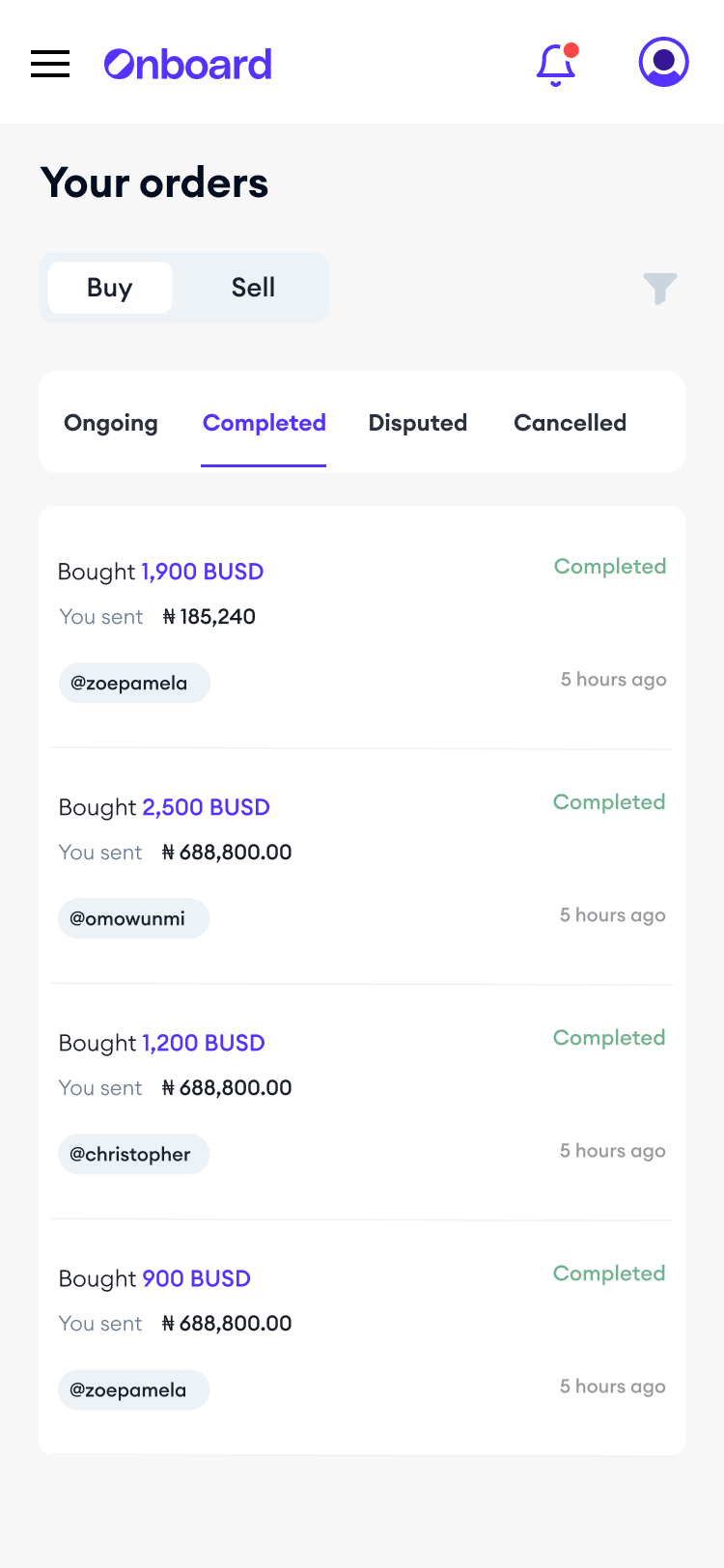
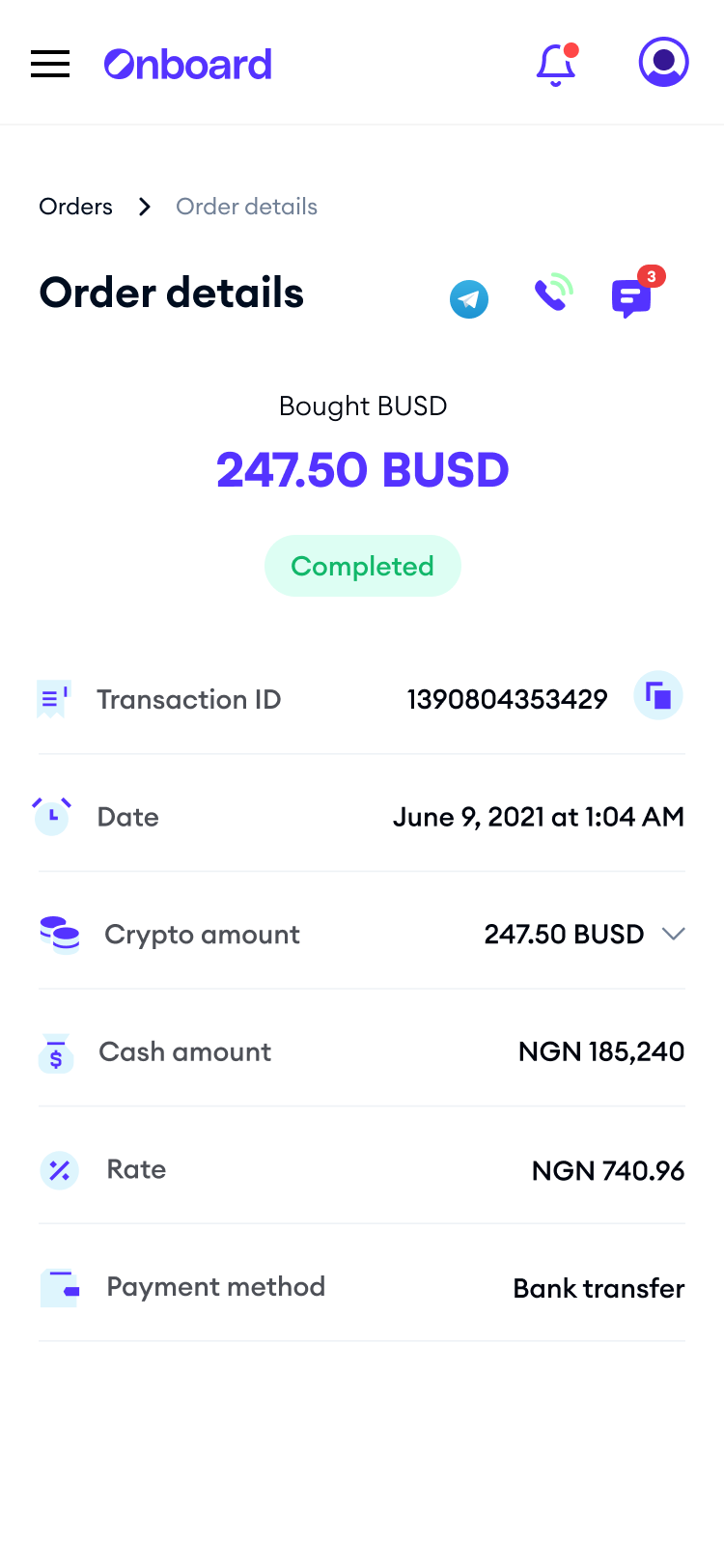
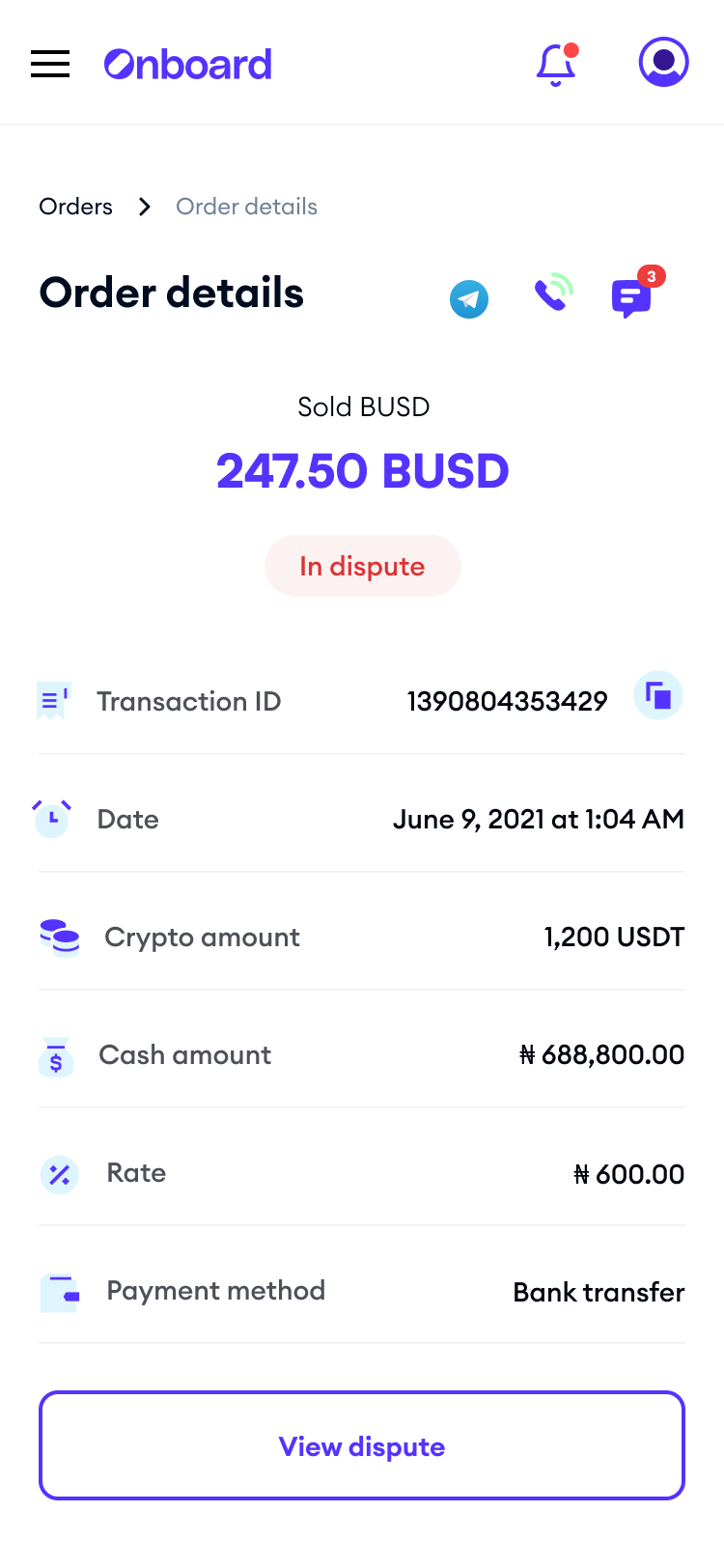
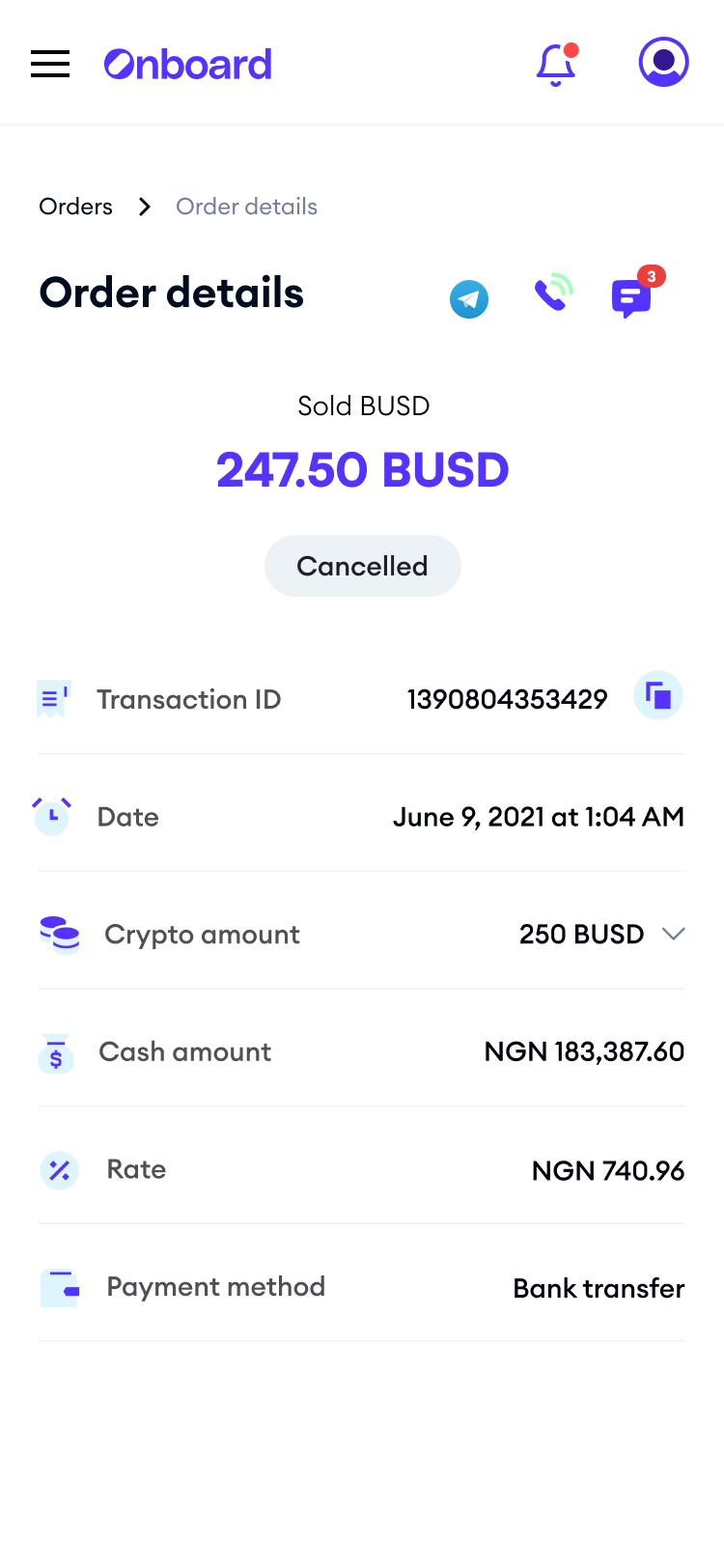
Orders don't always complete cleanly. The order management screens handle completed, disputed, and cancelled states — each with the right information and the right actions for that moment. Designing for disputes and cancellations was as important as designing for success.
Merchant Dashboard
The other side of every trade.
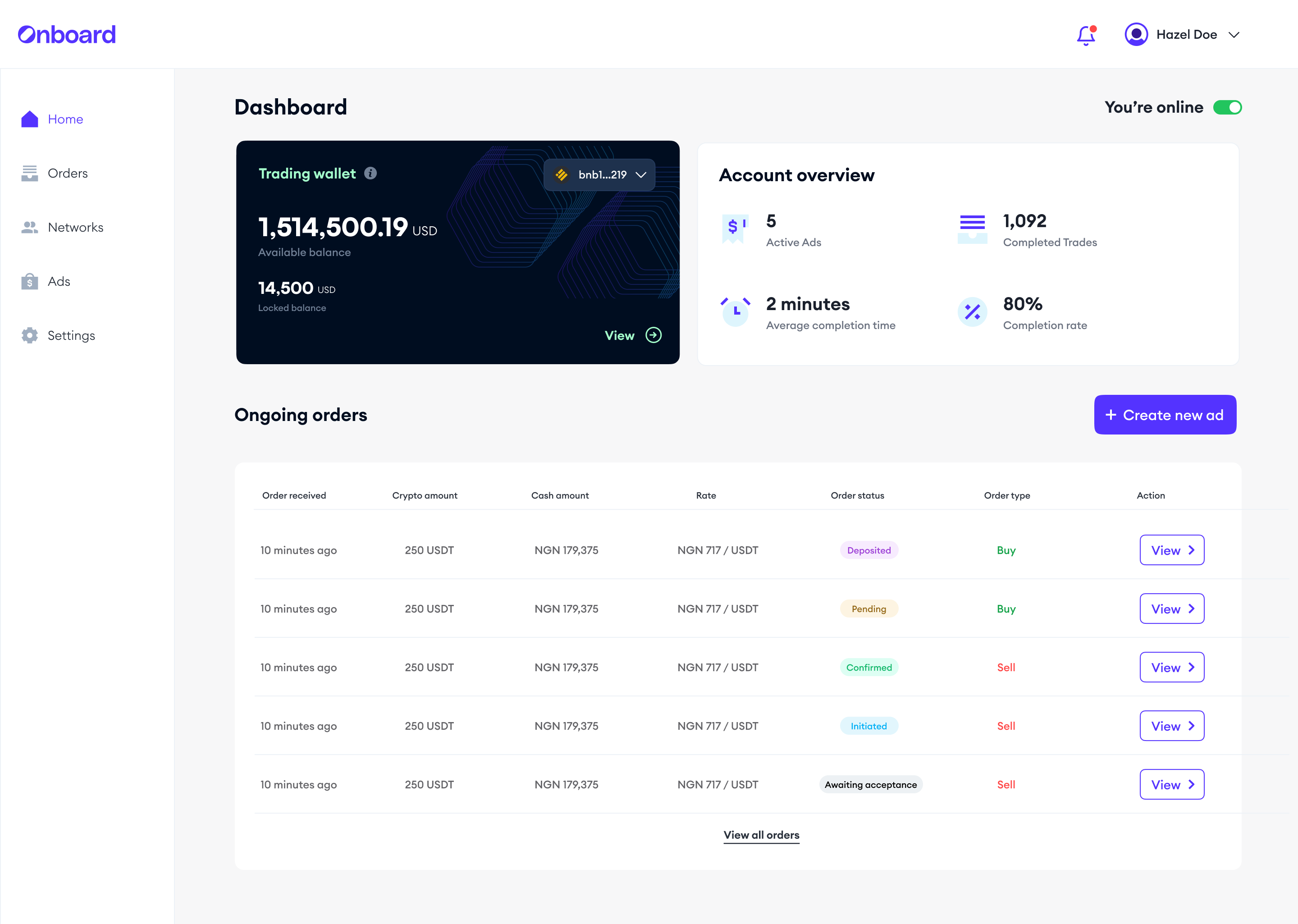
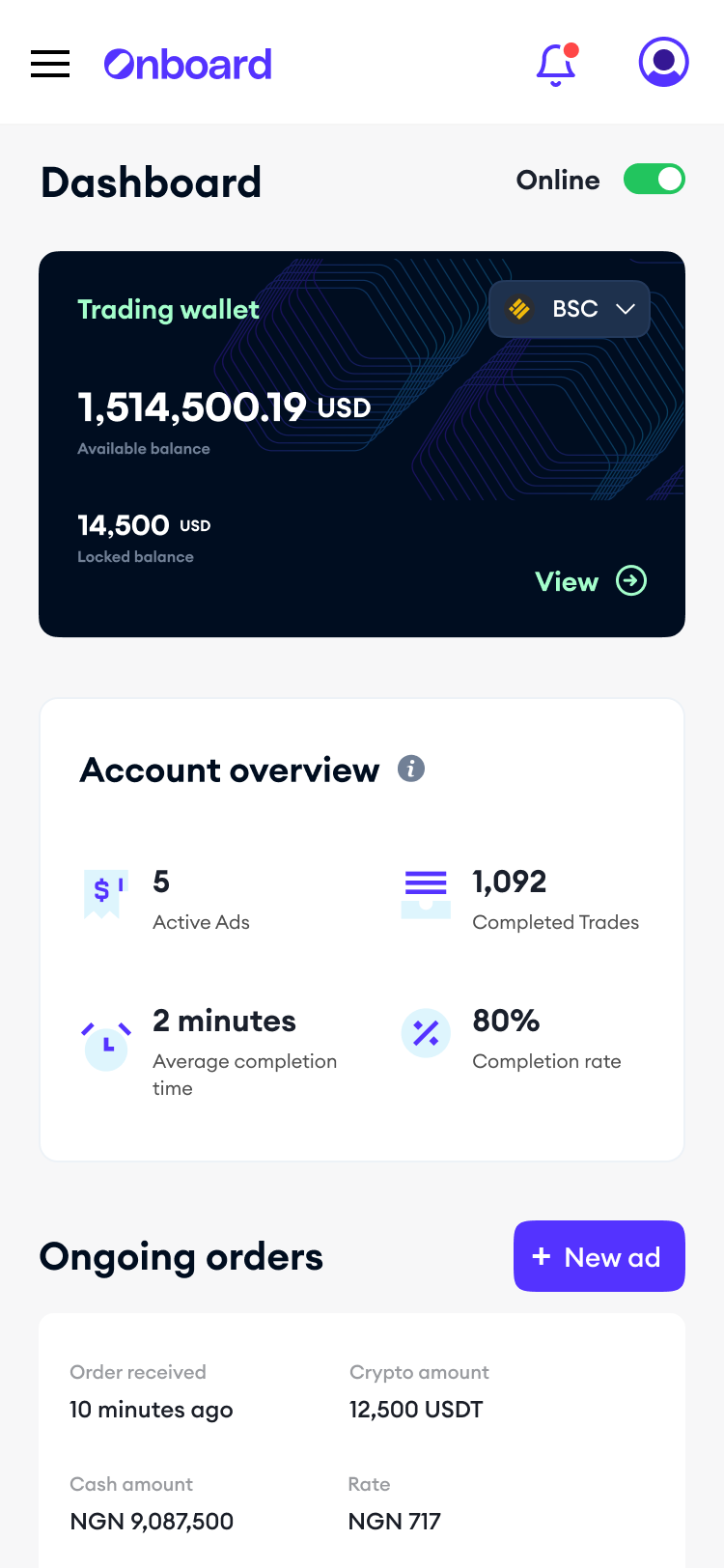
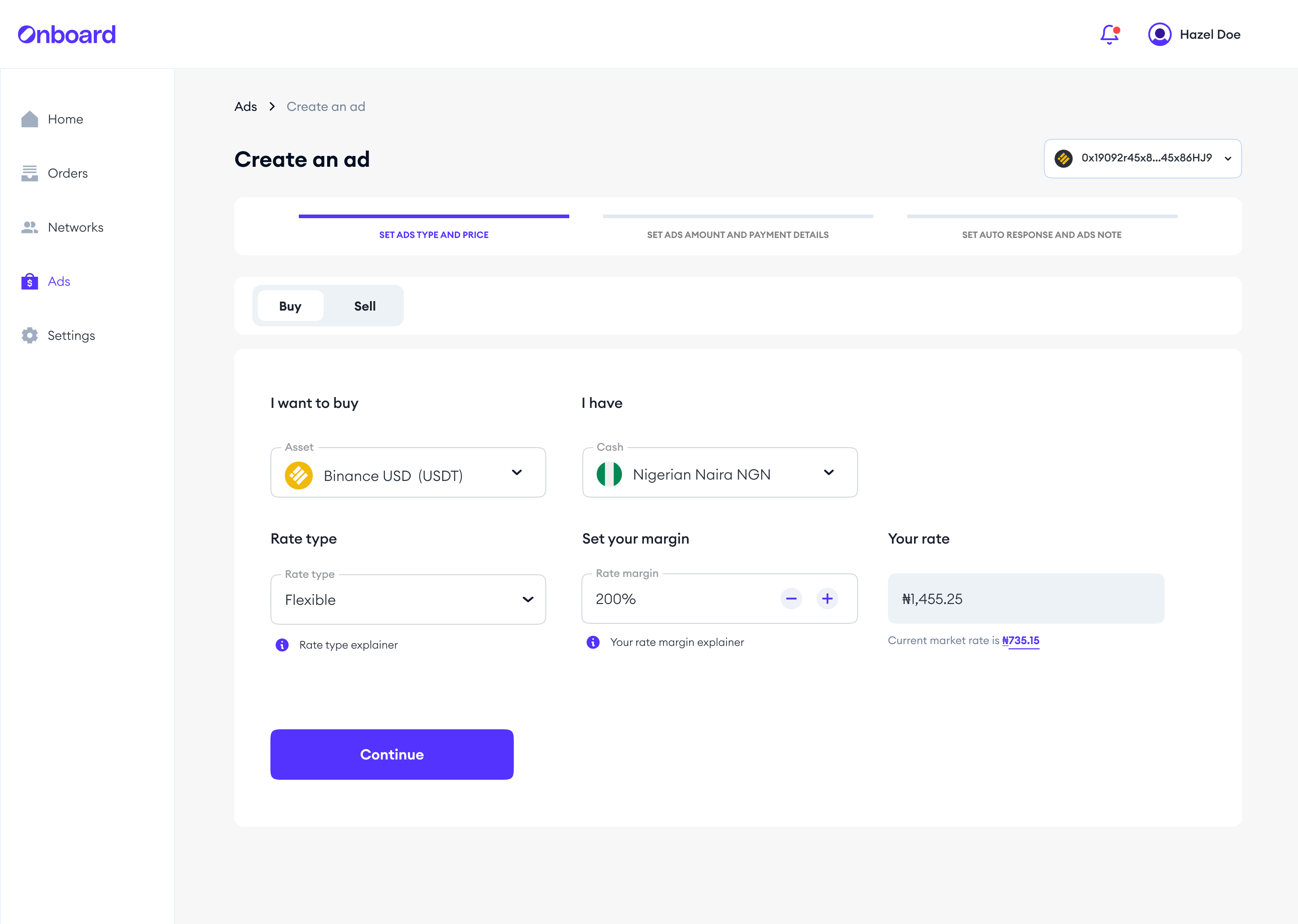
Merchants are the liquidity providers that make P2P work. The dashboard gives them a real-time view of their trading wallet, active ads, ongoing orders, and performance metrics. The mobile version carries the same information architecture so merchants can manage trades on the go.
Outcome
10,000+ users. 13 currencies. Three continents.
Onboard grew to over 10,000 users across Africa, Asia and Europe, supporting trades across 13+ currencies. The platform gave people in underbanked markets a real alternative to traditional financial infrastructure.
10K+
Users across Africa, Asia and Europe
13+
Currencies supported across three continents
Reflection
What P2P design actually taught me.
Designing for P2P taught me that every friction point is a reason to abandon a trade. An unclear rate, an ambiguous confirmation, a slow escrow update, in a product built on peer trust, getting those details right was the whole job.